
Clinically Informed Care, Attuned to You.
As a licensed marriage and family therapist, my work centers on helping individuals make sense of the complex and painful experience of betrayal in intimate relationships. With a client-centered approach, we move through the fog of betrayal together, seeking the clarity needed for healing. My work is deeply informed not only by clinical training, but also my own lived experience of betrayal trauma.
I am committed to walking alongside my clients through each stage of their recovery with empathy, care and attunement. Using evidence-based practices and individualized strategies, clients are supported in learning to listen to their pain, rebuild trust within themselves, and cultivate resilience and growth.
Creating a supportive community for those affected by betrayal is something I care deeply about. Healing is not only an individual journey, but a collective one—which is why I engage in workshops and discussions about the impact of betrayal trauma and the path toward a reclaimed sense of self.
As a faith-based therapist, I believe the way of Jesus is love and belonging. My healing philosophy has been shaped by my own journey through life’s darkest seasons. Clients are gently invited to turn inward, trusting that as the heart and mind are explored, Christ’s presence and love can be encountered more deeply.

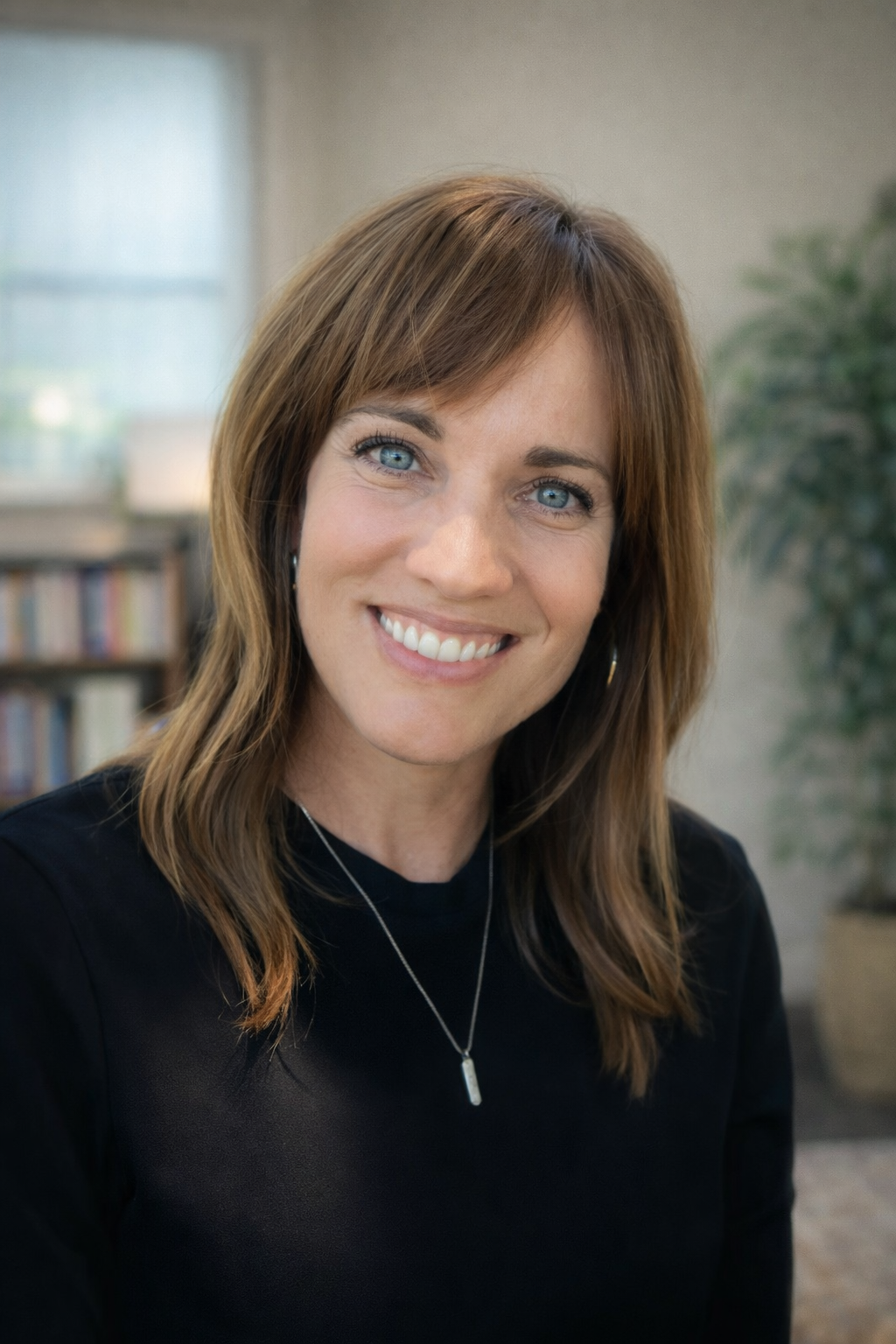
My practice emerged from both personal experience and a long-standing desire to support others through life’s difficult seasons. From an early age, I was drawn to sitting with people during hard moments, sensing that this was a part of who I was.

The story of Still Waters

As an adult I attended a professional conference to work through my own pain, it was there that I experienced an undeniable clarity: this work was not only part of my personal healing, but something I was meant to offer others as well. Over time, that clarity shaped the approach I bring to my practice. What I’ve learned through my own healing fuels my practice and informs how I support others.
Years later, a vivid dream brought that clarity into sharper focus. I was on a sinking ship in open waters—an unsettling image for someone who fears water—but I felt steady and prepared. I found myself telling the women on board the ship with me, “I’ve been here before. Take my hand.” The dream reflected the role I now hold: supporting women as they move through distress toward stability and recovery.

Still Waters Therapy was founded from this understanding—healing is possible, support matters, and even the storm can become still, peaceful waters.
Credentials & Training
Master of Science in Psychology and Counseling (MS)
Licensed Marriage and Family Therapist (LMFT)
Certified Sex Addiction Therapist (CSAT)
Certified Partner Trauma Therapist (CPTT)
Specialized Training:
Integrative somatic parts work
Complex PTSD and Attachment Trauma
Trauma-informed therapy based on The Body Keeps the Score (Bessel van der Kolk)
Sex addiction and partner betrayal trauma through the International Institute for Trauma and Addiction Professionals (IITAP)
Therapeutic Approach
I work from a Person-Centered therapeutic approach, with a strong emphasis on client self-agency. My role is to provide a compassionate, attuned space where clients feel deeply heard—both in what is spoken and what may be more difficult to articulate.
A central focus of my work is helping clients develop a deeper understanding of their internal experiences. Through this process, clients often gain greater clarity, self-trust, and the ability to make decisions that feel aligned with their authentic selves.
Trauma Informed Work
My training in somatic parts work integrates awareness of how the body responds to lived experience with parts-based therapy informed by Internal Family Systems (IFS). While I am not a certified IFS or Somatic Experiencing practitioner, this training allows me to help clients safely explore the connection between mind, body, and emotional experience.
I also have specialized training in working with partner betrayal trauma. Partners who have experienced betrayal often present with symptoms consistent with complex PTSD, and I am trained to support clients navigating these symptoms with care, stabilization, and trauma-informed treatment.

Learn more about my 4-week “Start Here” program for women facing betrayal trauma
The Start Here program is designed to provide clarity and help make sense of the healing journey, offering guidance and support as you take your next steps.